My Cuban Luxury: Privacy
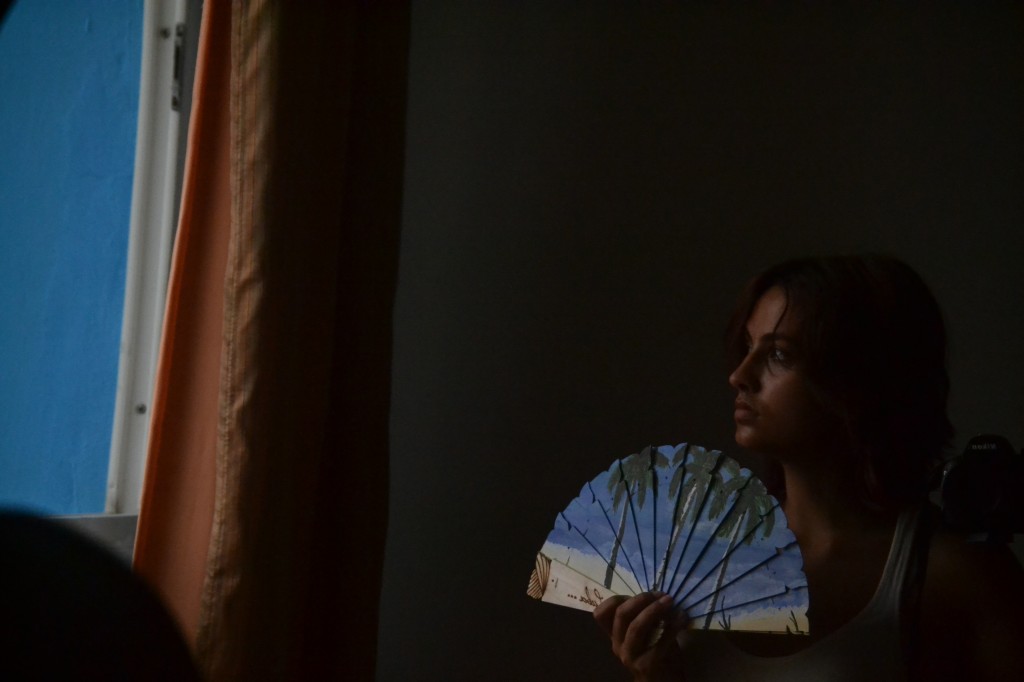
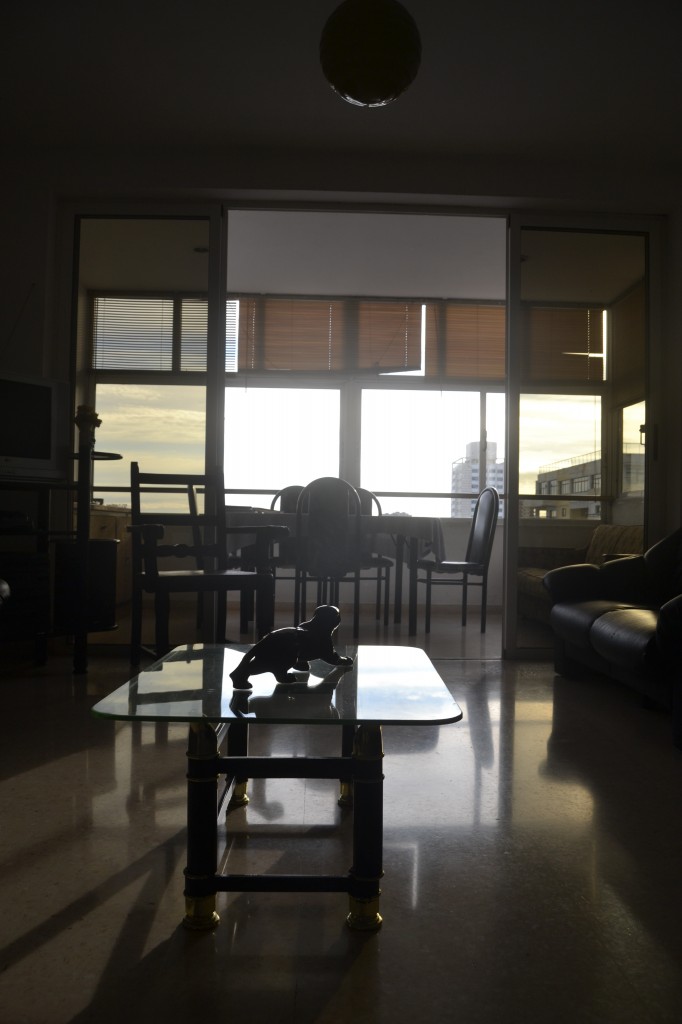
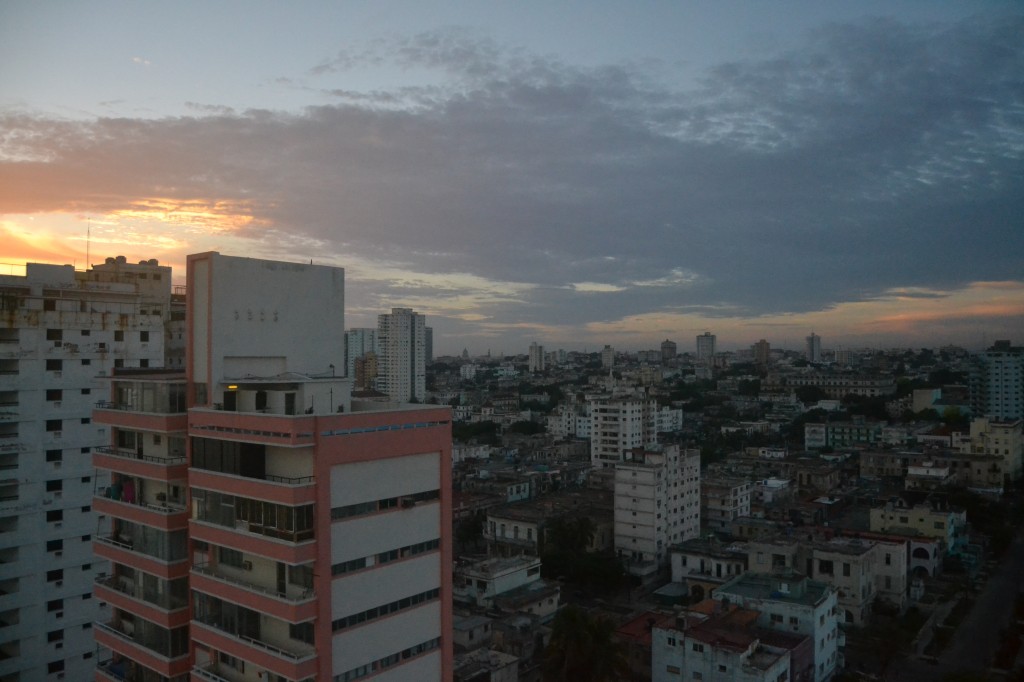
But there is a luxury I cannot afford in the U.S.—privacy. My modest room in a casa paticulares (room for rent, a recent and notable development in Cuban small business) contains a queen-sized bed, a miroir, two endtables, an A/C unit and a closet. The walls and floor are bare white, but the view of Havana outside of the window disrupts the blankness.
I didn’t expect this room to be something I needed on this trip, but it is. It represents what I need in my life at this point: a space to think, some room to get comfortable and enough distraction to explore at my discretion.
Cuba may top that list if you’re looking for privacy in a Caribbean location. It’s not just that Alan Gross’ foiled efforts keeps wifi in hotels. Cuba has been shielded from the cultural imperialism of its northern neighbor. Few nations in the world can still claim that. What that means is that there aren’t McDonald’s, Starbucks or obnoxious advertisements smothering every inch of Havana. The most American part of the London 2012 Olympics were the McDonald’s and Coke advertisements that essentially bought out every flat screen. The two main criticisms for this occurrence are these: cultural imperialism stymies a nation’s respective cultural development and this gives the impression that the United States is full of people who walk around eating hamburgers and singing Michael Jackson.
Perhaps the absence of American cultural imperialism has benefitted Cuban culture, but that gives excessive credit to our influence. Studying Cuba intensely for the past week has shown me this is one of the most culturally aware and developed places I’ve ever learnt about. As with personal development, it takes various catalysts to show who we are in different situations. Cuba has been through a lot in the past century alone, even the past fifty years: always adapting, always surviving, always changing. These changes have gone largely unseen by the outside world, creating a gem of cultural richness few can say they’ve seen.
But privacy is not something Cubans can often afford in their homes. Because it is difficult to own a home as a young adult, many children live with their parents past young adulthood, sometimes having children of their own in the same house. Grandparents move in as well, making homes multi-generational. This causes Cubans families to be close and family-oriented, but this is also a place where you don’t always have your own. Cuban couples are often seen making out on the Malecon because public spaces become private spaces. Within the confines of a home, walking Havana’s streets gives breathability to living with so many people.
I cannot say the same when I use my luxuries at home every day: hot showers, free wifi and speaking to my loved ones easily. When I find myself thinking at home, I nervously jump to something I need to do. Here, I can teach myself Spanish, pick out tomorrow’s outfit and write. That’s about it, and these limitations can be unexpectedly freeing.
Time alone relaxing in one’s thoughts is an undervalued commodity in American life, one that is easily lost in our growing commercialism and disconnectedness from the tangible. Maybe this is why Hemingway came here to write his celebrated American literature: perhaps he too can contact parts of himself that elude us in American spaces.