The only sure thing about this year’s general election is uncertainty. All bets are off, with no-one quite sure which party – or indeed parties, resulting in a multi-coloured Lego-brick coalition – will triumph come 7 May.
But one thing seems set in stone – the majority of young people are not going to vote.
Less than half of my demographic – the 18-24 bracket, the far edge of which I am now inching towards – went to the polls in 2010. We are one of the least electorally active parts of society, with the biggest gap yawning between us and the over-65s – 76% of them turned out to vote last time round. As someone who feels it is their duty to vote (of which more later), I have to ask – why is this happening?
Electoral apathy amongst young people seems to be down to a diverse range of factors. For instance,
advances in communications technology mean we no longer have to be exposed to a barrage of electioneering on TV and in the papers, as previous generations were. We have so much control over what media we consume that we can almost pretend the election isn’t happening – we can filter out whatever we choose.
Systemic issues also play a role. The House of Commons doesn’t reflect the population at large, and young people least of all – its average age is 50, it’s 96% white, and only 22% female. It’s sometimes hard to tell how many of us our representatives actually represent and this can leave us feeling disenfranchised and powerless. The constituency structure is also frustrating, particularly for those living in safe seats – if you live somewhere that steadfastly belongs to one party, especially one with few policies aimed at young people, you can feel as though your vote won’t make a difference. Safe seats aren’t always as safe as they seem, however (Scotland was mainly Conservative not so long ago, before switching to Labour, and now increasingly SNP) – they can change if the electorate wills it.
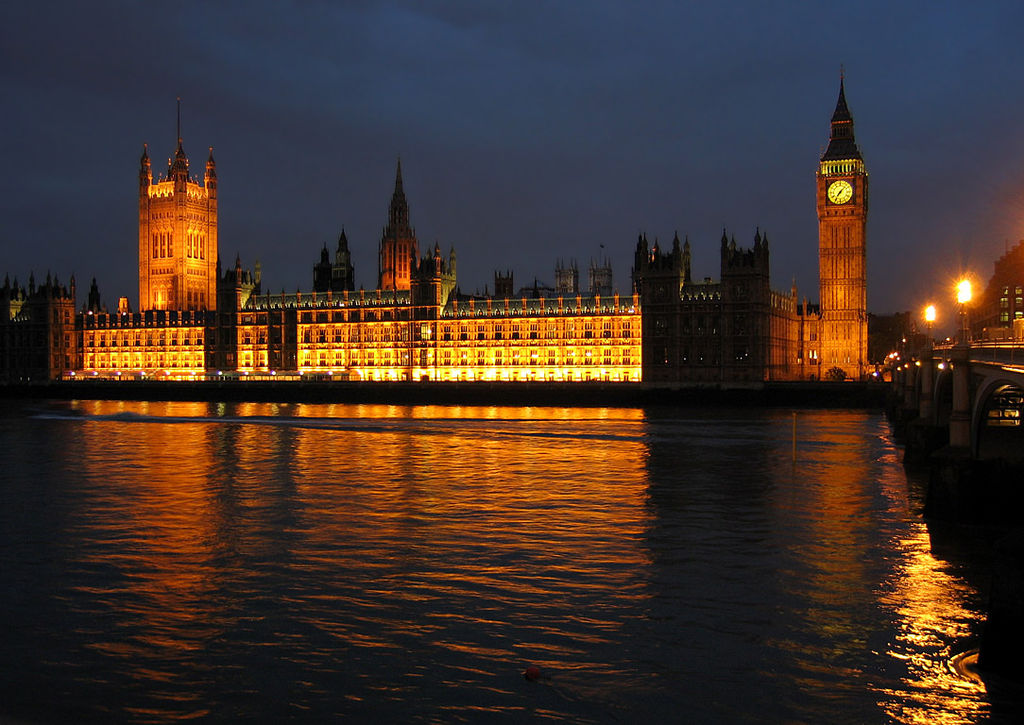
Politics itself can seem opaque and frankly, a bit weird. That’s part of the charm – the traditions of Parliament are beautiful (for instance, the opposition and government benches in the House of Commons are placed two swords’ lengths apart, in case it all kicks off). My personal favourite comes from the State Opening of Parliament, when MPs shut the door to the House of Commons on the Queen’s representative, Black Rod – much knocking and some yelling ensues, and it’s great.
But these traditions don’t make Parliament much more relatable to those who feel detached from it. Its debates can also appear offputtingly aggressive and confrontational to some, at times seemingly more about point-scoring than effective policy development.
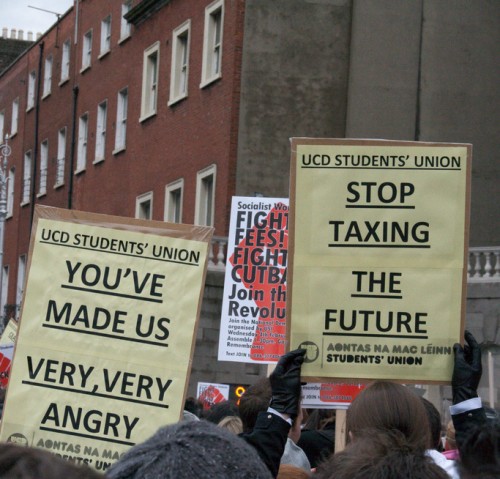
But probably the biggest reason of all is this – we are the children of a difficult age. We’ve grown up with recession, pessimism and disillusionment, with rising tuition fees and dwindling employment opportunities. We have poorer prospects than the generations preceding us, those who were active voters when they were young and continue to be so now they are old. Many of us are under too much pressure – at school, at work or at university – to give thought to manifestos or spare the time to watch leaders’ debates. With little to be optimistic about, we find it hard to believe in positive change – and in the end, that’s what every election is supposed to be about.
So what’s being done to turn this trend around and encourage us to change our voting behaviour? Some suggestions are a little extreme; at the beginning of April, think tank IPPR proposed the idea that a person’s first vote should be compulsory, a measure intended to ensure we catch the voting bug as soon as possible.
Other tactics are more subtle – the mainstream press seems to be attuning its election coverage to the tastes of young people, spotlighting their views or creating content designed for ‘their’ media. Sky News’s ‘Stand Up Be Counted’ campaign covers social media and TV, actively asking young people what they want from politicians and encouraging them to voice their opinions. Sky has also produced a number of parody videos, that staple of the internet – in this gem, party leaders soulfully serenade us:
Less traditional platforms specifically aimed at younger people, such as BuzzFeed – rapaciously devoured by my demographic – are branching out into political coverage. Some of this conforms to older formats (such as BuzzFeed Brews’s interview with David Cameron in March) but others are a lot less conventional, and fit with the kind of media we’re more likely to consume in our spare time (viz. ‘Which Party Leader In The TV Debate Are You?’ ).
Politicians themselves have adopted a similar approach, making social media a core part of their campaigns – with Labour currently appearing to be most successful.
There has also been a real social media drive around the practicalities of voting – the Electoral Commission’s Twitter campaign has effectively promoted how quick and easy it is to register, and specifically encourages young people to get involved.
It’s impossible to say if any of these strategies will bring about any real change in young people’s voting habits, but I hope they will. Whilst I understand why my peers may not vote – I can sympathise with disillusionment and detachment, and sometimes fall prey to them myself – not taking part is not the answer. If you don’t get involved in the system, you will never be able to influence it. Our apathy means that pension pots are a far higher priority than tuition fees; our issues will never really matter to mainstream politics unless our vote starts counting for something.
As aforementioned, I also believe that it is my duty to vote. Duty is an outdated term, and to some extent rightly so. But when it comes to voting, duty is just the right word – particularly if, like me, you happen to be of the female persuasion. When I go to the polling centre in a couple of weeks’ time, I will be very aware that I can only do so because other people, born at least a century before I was even thought of, campaigned on my behalf despite violence and humiliation. My duty is to the women who battled horrendous abuse – ranging from force-feeding to propaganda painting them as neglectful mothers, stroppy spinsters or poor plain husbandless creatures – so that I can take an active part in the political life of this country.
Of course, voting isn’t the only way to get involved in politics – protests and pressure groups can also bring about real progress (the suffragettes being a case in point). But an election remains our only real chance to shape the government itself, an institution that informs almost all aspects of our lives in some way.
I end on the words of someone who isn’t young at all, but beautifully sums up the reasons the young, or indeed anyone, should vote – Harry Leslie Smith, a 90-year-old electoral campaigner. Harry, who first voted aged 22 in 1945, has this to say:
“In the decades since I voted in my first election, I have never forgotten the lesson I took from it – that the majority can only impose its ethics, its vision, its sense of justice upon a country when everyone exercises their right to vote. Otherwise the few will always rule over the many.”