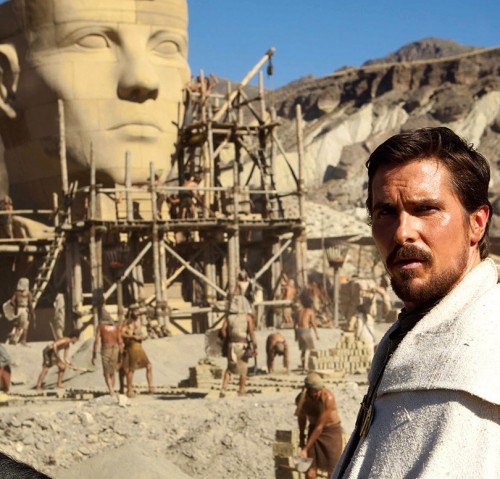
There was a time, during the early stages of film, when imagination was key. Back in 1902, Georges Melies produced one of cinema’s earliest testaments to the scope of the human imagination. In his film ‘La Voyage Dans La Lune’, Melies was one of the world’s first filmmakers to come up with innovative and endlessly creative means of projecting his ideas onto screen. From one of the first documented uses of the jump cut to his groundbreaking application of miniature models on film; Melies pushed the world of special effects to new dizzying heights.
Since then we’ve journeyed through models to animatronics to dashing computer-generated images, creating universes and creatures of which only the limits of the human mind can muster. But does there come a time where special effects stop being so special?
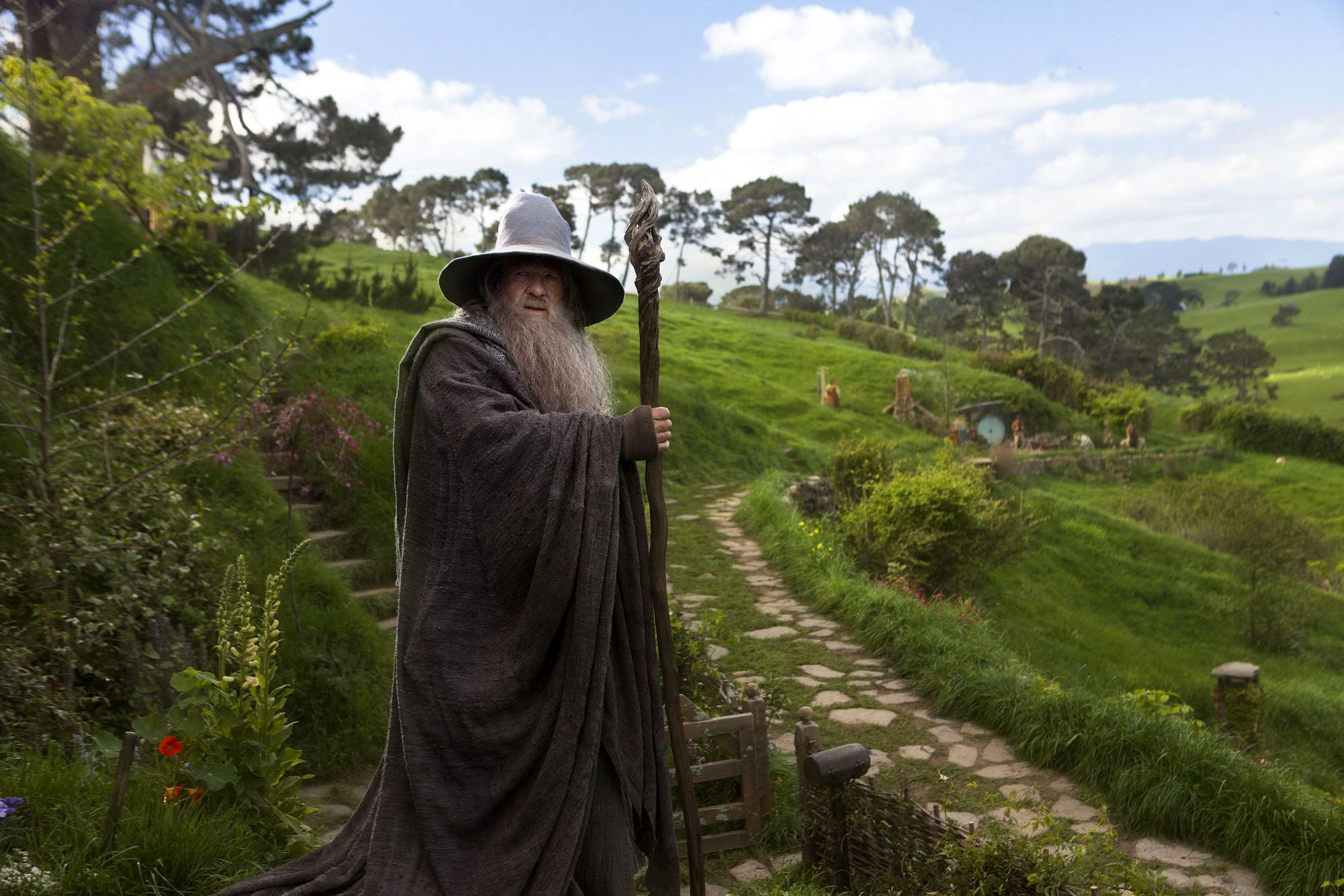
The question arose in my mind when I encountered the trailer for the third instalment of the hugely popular ‘Hobbit’ series. Lauded for his astounding work on the original Lord of the Rings trilogy, director Peter Jackson has encountered criticism for overuse of CGI in his latest films. Where once the landscapes of Isengard or Helm’s Deep were painstakingly created by hand; the environments and architecture of his latest films have mostly been made with the aid of green screen and some handy computers. Combined with shooting their production at an almost unheard rate of 48 frames per second; it’s become ever easier for audiences to differentiate between the real and the fake; especially with images on our screens being so clear. For filmmakers it’s a double-edged sword – a clearer picture means it’s easier for audiences to spot what’s false, but go for a lower definition and the overall aesthetic might not look so good. Though it isn’t as if CGI is the only way to make sets and productions look great.
I was overcome recently with an overwhelming thirst for pre-2000s sci-fi productions (an odd craving, I’m aware). Looking back on some of my favourite films from the time (Cronenberg’s ‘The FIy’, Carpenter’s ‘The Thing’), it’s easy to see why some might think their effects to be dated. There’s a wonderfully terrifying scene in ‘The Thing’ where an infected dog makes a gruesome transformation into alien-canine hybrid as individual puppeteers control its limbs. Creating movements by physically being underneath the creature or by means of electronic triggers within the beast; it’s easily one of the most memorable scenes in sci-fi history. As an audience member you become quite aware of what you’re seeing – that this brilliant, fictional monstrosity on your screen was actually created, actually made. That it was real.

However, that’s not to say that there’s no place for CGI. ‘Jurassic Park’ still remains to this day one of the most spectacular ideas committed to film. Spielberg and Co effortlessly transition between gigantic animatronic dinosaurs and their computer-designed counterparts. The often imitated first encounter with a Tyrannosaurus Rex unforgettable; with a huge electronic dinosaur head crashing through the roof of a jeep before a CGI version of the same monster chases after a sodden, handsome Jeff Goldblum moments later. It’s a fantastic, vibrant example of how a balanced use of physical creations and virtually imagery can go hand in hand. From the looks of things, it appears that director of the upcoming Jurassic sequel Colin Trevorrow has taken a leaf out of his predecessors’ book; releasing a taunting image of a huge dinosaur mouth clamped around the production’s clapperboard.
There are of course, circumstances wherein physical production of sets or props wouldn’t be possible. The hugely popular ‘Guardians of the Galaxy’ & ‘Transformers: Age of Extinction’ have both released in the last month and heavily feature lavish other worldly locations and creatures, some of which purely wouldn’t have been possible without the use of CGI.

James Cameron’s ‘Avatar’ remains the highest grossing film of all time and was filmed almost entirely with green screen and computer wizardry. Designing the entire fictional planet of Pandora as well as its inhabitants was no mean feat for the special effects team Weta Digital, using over 900 employees and 10,000 square feet of computer servers to work on the film. Thanks to its success, there are now scheduled to be not one, not two, but three Avatar sequels due for release before 2019.

With our technology advancing and digital capabilities constantly being pushed to their limits, it’s unlikely we’re going to see the end of CGI anytime soon. With the likes of Oculus Rift’s virtual reality headsets and Google’s ‘Glass’ systems coming from conception to popularity in what seemed like a blink of an eye; it appears that soon not only our films but every day tasks could be influenced by the whims of computers. What I think is important for filmmakers to remember is that CGI is an instrument to be implemented with a sense of necessity. If used with a thoughtful, deft touch, CGI implementation in cinema could become an irreplaceable, priceless tool. If used with a heavy hand we could end up with a live action remake of Teenage Mutant Ninja Turtles directed by Michael Bay. And we don’t want that.